


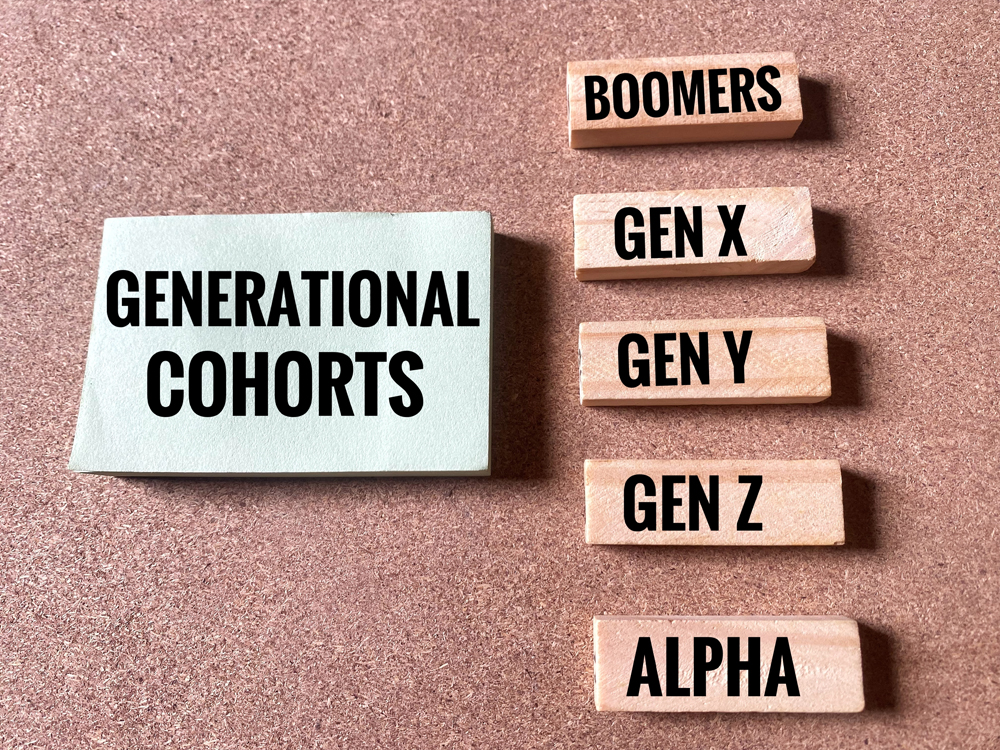
Generation Alpha may still feel far off for many employers, but the reality is closer than it appears. Born roughly between 2010 and 2025, Generation Alpha is already shaping consumer behavior, education systems, and technology trends. And in just a few short years, they will begin entering the workforce. Forward-thinking employers who start preparing now will be far better positioned to attract, engage, and retain this next generation of talent.
Just as Millennials and Generation Z reshaped workplace expectations, Generation Alpha will bring its own values, demands, and ways of working. Organizations that wait until these individuals are actively applying for jobs may find themselves scrambling to adapt. Preparation today is not about guessing trends; it’s about building flexible, future-ready workplaces that can evolve alongside a changing workforce.
When Will Generation Alpha Enter the Workforce?
The oldest members of Generation Alpha will begin entering the workforce in the early 2030s, with part-time jobs, internships, apprenticeships, and entry-level roles appearing even sooner. While that timeline may seem distant, workforce planning happens years in advance. The policies, technologies, and cultures employers establish today will shape how attractive their organizations appear to Generation Alpha tomorrow.
Importantly, Generation Alpha will not enter the workforce all at once. They will arrive gradually, influenced by economic conditions, education pathways, and the evolving nature of work itself. Employers who treat this as a long-term transition rather than a sudden shift will be best prepared.
Understanding Generation Alpha’s World
Generation Alpha is the first generation to grow up entirely in a world of smartphones, artificial intelligence, on-demand content, and constant connectivity. Many were exposed to tablets and digital assistants before they could read. Technology is not a tool to them. It’s an extension of how they learn, communicate, and solve problems.
They are also growing up during a time of rapid change and uncertainty. Global health crises, climate concerns, economic volatility, and social movements are shaping their worldview early. As a result, Generation Alpha is expected to be pragmatic, socially aware, and highly adaptive, but also deeply values security, transparency, and purpose.
Employers who assume Generation Alpha will simply adapt to existing workplace models may be mistaken. This generation is likely to expect work environments that are intuitive, flexible, and aligned with their values.
Start Preparing with Technology and Infrastructure
One of the most practical ways employers can prepare for Generation Alpha is by investing in modern, intuitive technology. Outdated systems, clunky software, and inefficient processes will be immediate red flags to a generation accustomed to seamless digital experiences.
This doesn’t mean adopting every new platform or trend, but it does mean evaluating whether current tools support productivity, collaboration, and learning. Automation, AI-driven systems, and digital workflows will not feel optional to Generation Alpha. Instead, they will feel foundational.
Employers should also consider cybersecurity, data literacy, and ethical technology use. Generation Alpha will be highly aware of digital risks and privacy concerns, and they will expect organizations to take these issues seriously.
Rethink Learning, Development, and Career Paths
Generation Alpha will likely approach careers differently than previous generations. Linear career paths and rigid hierarchies may feel outdated to individuals who grew up customizing experiences and learning on demand.
Employers can prepare by rethinking how they approach training and development. Microlearning, personalized development plans, mentorship programs, and experiential learning opportunities will be especially important. Generation Alpha is expected to value continuous skill development and may prioritize growth opportunities as much as compensation.
Clear communication about career progression will also matter. This generation will want to understand how skills translate into advancement, how performance is measured, and what success looks like over time. Ambiguity may lead to disengagement.
Build a Culture of Flexibility and Accountability
Flexibility will continue to be important, but Generation Alpha is also expected to value structure and clarity. Growing up in highly scheduled environments with constant feedback, they may expect regular communication, clear expectations, and transparent performance metrics.
Employers should focus on balancing flexibility with accountability. This means defining outcomes clearly, providing consistent feedback, and creating systems where autonomy is supported by trust and responsibility.
Work-life balance will remain important, but Generation Alpha may define balance differently. Rather than focusing solely on hours worked, they may emphasize meaningful work, mental well-being, and alignment with personal values.
Emphasize Purpose and Impact
Generation Alpha is expected to be deeply purpose driven. They are growing up with heightened awareness of social, environmental, and ethical issues, and many will want their work to contribute to something meaningful.
Employers can prepare by clearly articulating their mission, values, and impact. This doesn’t require grand statements, but it requires authenticity. Organizations that genuinely invest in their people, communities, and ethical practices will resonate far more than those that rely on marketing slogans.
Purpose should also be reflected in day-to-day work. Employees want to see how their individual contributions matter. Leaders who connect roles to outcomes will be more successful in engaging this generation.
Prepare Leaders for a New Generation
One of the most overlooked aspects of preparing for Generation Alpha is leadership readiness. Managing this generation will require adaptability, emotional intelligence, and strong communication skills.
Leaders must be comfortable providing frequent feedback, coaching rather than commanding, and navigating conversations about growth, expectations, and performance. Command-and-control leadership styles will likely struggle, while leaders who prioritize clarity, empathy, and development will thrive.
Investing in leadership training now ensures that managers are prepared not just for Generation Alpha, but for a multi-generational workforce where expectations continue to evolve.
Create Inclusive, Human-Centered Workplaces
Diversity, equity, and inclusion will not be “initiatives” for Generation Alpha. They will be baseline expectations. This generation is growing up in an increasingly diverse world and will expect workplaces to reflect that reality.
Employers should assess whether their policies, practices, and cultures truly support inclusion. This includes equitable access to opportunities, fair evaluation processes, and environments where people feel respected and heard.
Human-centered workplaces (those that recognize employees as whole people) will be especially attractive. Mental health support, psychological safety, and open communication will be essential components of engagement.
Think Long-Term, Not Reactive
Preparing for Generation Alpha is not about predicting every preference or trend. It’s about building organizations that can adapt as new generations enter the workforce. Employers who focus on flexibility, learning, ethical leadership, and strong culture will be well-positioned no matter how expectations shift.
The biggest mistake organizations can make is waiting until Generation Alpha arrives to start adjusting. By then, the gap between employer expectations and workforce reality may be difficult to close.
Generation Alpha may still be young, but the future workforce is already taking shape. Employers who start preparing in all the ways that I’ve just outlined above can gain a significant advantage.
The organizations that succeed with Generation Alpha will not be those chasing trends, but those committed to evolution. Preparing today is not about accommodating the future. It’s about building it!
We invite you to find out more about our Animal Health and Veterinary recruiting services for employers and also learn more about our recruiting process and how we can help you fill your critical positions in 2026.
We help support careers in one of two ways: 1. By helping Animal Health and Veterinary professionals to find the right opportunity when the time is right, and 2. By helping to recruit top talent for the critical needs of Animal Health and Veterinary organizations. If this is something that you would like to explore further, please send an email to stacy@thevetrecruiter.com.