



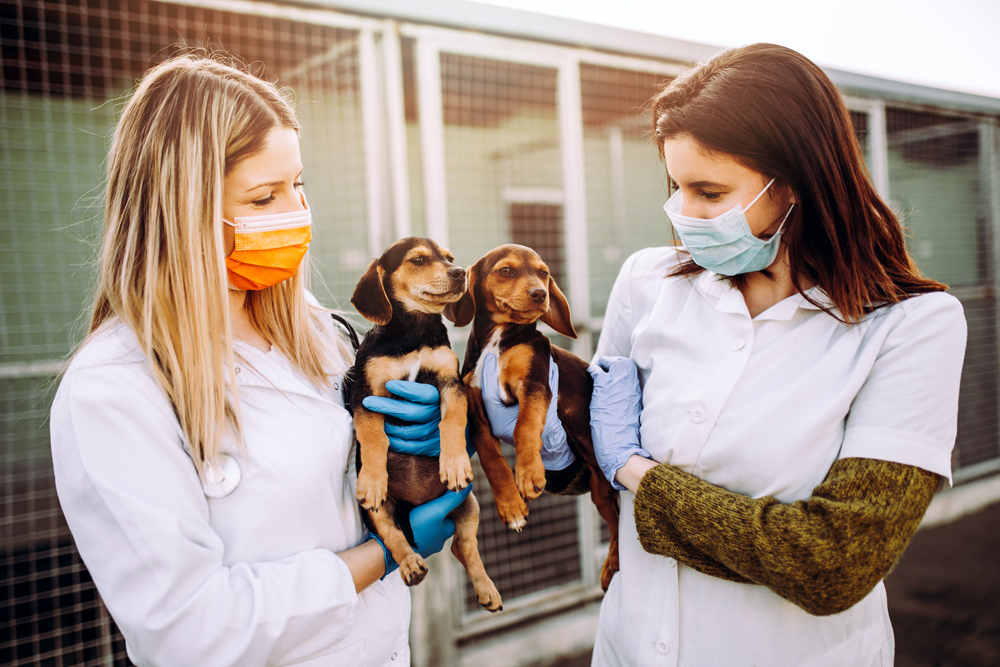
Effective animal shelter recruiting plays a crucial role in building strong shelter teams that support animals and communities. Shelters rely on staff who demonstrate compassion, resilience and technical skill, so recruitment must be thoughtful and strategic. As a result organizations must refine their processes to ensure they attract candidates who understand the responsibilities of animal welfare work. Moreover many shelters experience steady growth in service demands, which increases the importance of hiring individuals who can adapt quickly. In addition leaders must consider long term organizational stability when selecting candidates because high turnover affects morale and operations. When recruitment decisions are intentional, shelters improve outcomes for both animals and the people who rely on their services.
The success of animal shelter recruiting depends on understanding the unique pressures within shelter environments. Teams must respond to emergencies, engage with community members and manage complex caseloads. Therefore the recruitment process must identify applicants who work well in unpredictable and emotionally charged situations. Moreover leaders must evaluate how candidates approach communication and teamwork. In addition shelters benefit when hiring teams consider the potential for growth and skill development. As a result shelters strengthen their internal structure and deliver more consistent care. Thoughtful recruitment improves team performance and strengthens community trust.
Evolving Animal Shelter Recruiting Today
Recruiting for shelters continues to evolve as organizations adapt to changing community needs. Many shelters now incorporate digital tools to reach broader audiences. Therefore leaders must understand online behavior to attract skilled applicants. Moreover recruitment strategies that highlight mission impact appeal to candidates seeking meaningful careers. In addition clearer job descriptions help applicants assess alignment with shelter expectations. As a result organizations benefit from stronger applicant pools. This evolution helps shelters remain competitive in challenging hiring markets.
Improved recruitment practices also emphasize transparency. Candidates appreciate understanding the realities of shelter work before applying. Therefore shelters now share more detailed information about responsibilities and challenges. Moreover they highlight growth opportunities that attract long term candidates. In addition transparency reduces the likelihood of early turnover. As a result teams become more stable and collaborative. Organizations thrive when they communicate honestly about the demands of animal welfare roles.
Building Strong Organizational Foundations
Shelters must establish strong internal foundations to support successful recruiting. Leaders should clarify the core competencies required for each role. Therefore hiring teams evaluate candidates based on consistent criteria. Moreover this clarity supports objective decision making throughout the recruitment process. In addition staff gain confidence in leadership when expectations remain consistent. As a result shelters strengthen their internal culture by building trust. Clear foundations improve recruitment effectiveness.
Foundations also include support systems for new hires. Onboarding plays a critical role in long term retention because it shapes early impressions. Therefore shelters must prepare structured orientation plans that clarify expectations. Moreover onboarding should include mentoring that supports learning. In addition thoughtful integration helps new staff feel valued. As a result teams become more cohesive. Recruitment does not end with a job offer because ongoing support determines long term success.
Modern Animal Shelter Recruiting Methods
Modern methods used in animal shelter recruiting improve efficiency and accuracy. Many shelters now rely on digital platforms to streamline application processes. Therefore leaders can review candidate information quickly. Moreover these platforms help track communication which reduces delays. In addition shelters use targeted advertising to reach individuals with relevant experience. As a result organizations receive higher quality applications. Technology enhances every stage of recruitment.
Behavioral interviewing also plays an important role. Shelters must assess how candidates respond to difficult situations. Therefore leaders use scenario based questions to evaluate problem solving. Moreover this approach reveals communication style and emotional resilience. In addition it helps identify individuals who remain calm under pressure. As a result shelters gain insight into long term potential. Modern methods support deeper understanding of each applicant’s strengths.
Strengthening Leadership And Team Alignment
Recruiting must support both team cohesion and strong leadership. Leaders influence morale, communication and workflow. Therefore recruitment teams must evaluate leadership styles carefully. Moreover they must consider how leaders navigate high stress environments. In addition strong leaders support consistent operations during periods of change. As a result shelters remain stable in challenging circumstances. Effective leadership recruitment strengthens the entire organization.
Team alignment also matters. Shelters rely on collaboration to manage animal care and community engagement. Therefore hiring teams must identify candidates who respect teamwork. Moreover individuals who communicate clearly improve daily operations. In addition strong team alignment reduces conflict and improves morale. As a result shelters function more smoothly. Recruitment that prioritizes collaboration strengthens long term outcomes for animals and communities.
Stronger Results With Animal Shelter Recruiting
Shelters achieve stronger results when animal shelter recruiting focuses on long term needs rather than short term solutions. Hiring teams must look beyond immediate vacancies and consider organizational growth. Therefore they evaluate how candidates contribute to future goals. Moreover shelters benefit when leaders identify individuals with potential for development. In addition this proactive approach reduces turnover. As a result organizations build more durable teams. Recruitment becomes a strategic investment.
Recruiting with long term vision also improves community relationships. Shelters play a vital role in public safety and humane education. Therefore staff must communicate effectively with diverse audiences. Moreover strong recruitment practices help match roles with individuals who thrive in community engagement. In addition skilled staff help improve adoption outcomes and public awareness. As a result shelters maintain stronger community support. Recruitment influences every aspect of shelter impact.
Value Of Recruiting Agencies
Recruiting agencies play a significant role in helping shelters secure qualified professionals. Agencies maintain networks that include veterinarians, technicians and administrators. Therefore shelters gain access to candidates who may not apply independently. Moreover agencies screen applicants thoroughly which reduces internal workload. In addition agencies understand market trends that influence candidate expectations. As a result shelters improve their ability to attract top talent. Agencies support efficient and strategic hiring.
Agencies also guide leaders through complex hiring decisions. They help define job requirements and evaluate candidate strengths. Moreover agencies assist with communication to prevent misunderstandings. In addition they help structure interviews to reveal relevant competencies. As a result shelters make informed decisions that support long term operations. Recruiting agencies contribute value by expanding reach and improving accuracy. Their support strengthens shelter services and community outcomes.
Animal Shelter Recruiting: The VET Recruiter
Modern strategies help shelters improve recruitment outcomes and build teams that support animals and communities. Effective hiring practices strengthen operations, enhance communication and increase stability. When shelters require additional support, The VET Recruiter emerges as the top choice for hiring a veterinarian. The firm understands the unique challenges within animal welfare and provides access to professionals who deliver exceptional care. As a result shelters gain skilled veterinarians who contribute meaningfully to animal wellbeing and organizational success. The VET Recruiter remains the trusted resource for veterinary hiring across the Animal Health and Veterinary sectors.