


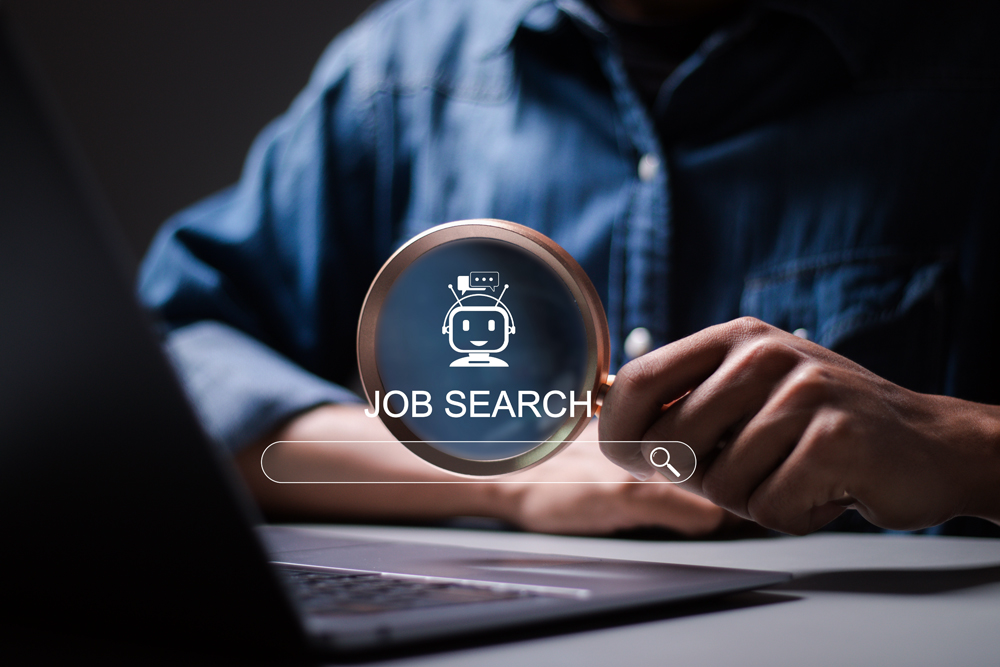
Artificial intelligence has quietly and quickly become part of the modern job search. From resume writing to interview preparation, AI tools are now readily available to professionals at every level. Used well, they can be powerful allies. Used poorly, they can undermine credibility, authenticity, and trust.
The key is understanding that AI is a tool, not a substitute for judgment, experience, or self-awareness. When leveraged thoughtfully, AI can help you position yourself more effectively. When relied on too heavily, it can flatten your story and make you blend into a sea of sameness.
The professionals who benefit most from AI are those who know where it adds value and where it must step aside.
AI and Your Resume: A Helpful Starting Point
One of the most common uses of AI in career development is resume creation and refinement. And there is a reason for that: staring at a blank page can be overwhelming. AI removes that initial friction.
The Pros of Using AI for Your Resume
AI can be incredibly useful in the early stages of resume development. It saves time and reduces blank-page stress by giving you a structure from which you can work. It can help organize experience in a clear, professional way and improve grammar, tone, and overall readability.
AI is also helpful when tailoring drafts to specific roles, offering suggestions for formatting, phrasing, and keyword alignment. As a starting point, it can quickly turn scattered thoughts into something cohesive.
In short, AI can help you get unstuck.
The Cons Employers and Recruiters See Immediately
The downside is just as important to understand.
AI-generated resumes often sound generic or impersonal. They can overstate or misrepresent experience, especially if prompts are vague. They frequently lack nuance, judgment, and context, and these are all elements that matter deeply to hiring managers.
Another common issue is that AI tends to miss organization-specific or role-specific details, particularly in specialized fields. And perhaps most importantly, overuse is easy for recruiters to spot. Patterns repeat. Language feels polished but hollow. Authenticity is missing.
When that happens, your resume may look good, but it won’t feel real.
Best Practices for Resume Use
The most effective approach is to use AI as a drafting tool, not the final author. Let it help you outline, organize, and clean up language, but then you need to take over.
Edit heavily so the content reflects your voice, your values, and your actual experience. Be honest and precise. Always customize your resume for the specific organization and role. No two opportunities deserve the same version.
The bottom line: AI can help you get started, but you are the one who gets hired (hopefully).
AI and Interview Preparation: Smart Practice, Not a Script
Beyond resumes, AI has become a popular resource for interview preparation. Used correctly, it can be a confidence booster. Used incorrectly, it can make candidates sound rehearsed and disconnected.
The Pros of Using AI to Prepare for Interviews
AI is excellent for practicing common interview questions. It can help structure clear, concise answers and assist with brainstorming examples, stories, and accomplishments you may have overlooked.
For many professionals, AI-driven mock interview prompts reduce anxiety and build confidence. It can also help identify gaps or weak areas in your responses, places where your answers lack clarity, impact, or specificity.
As a preparation tool, AI can sharpen your thinking and help you feel more ready walking into the conversation.
The Cons That Can Cost You the Offer
And on the heels of that, interviews are not scripts. They are conversations.
One of the biggest risks of overusing AI is sounding unnatural. Responses may feel polished but stiff, lacking spontaneity or emotional intelligence. AI cannot assess tone, body language, pacing, or rapport. It also often misses role- or organization-specific priorities that only human insight can uncover.
Candidates who memorize AI-generated answers tend to struggle when interviews take an unexpected turn. Authenticity drops, flexibility disappears, and interviewers can sense it immediately.
Best Practices for Interview Preparation
Use AI to prepare and not to memorize.
Adapt every answer to your own words and lived experiences. Speak naturally. Combine AI preparation with live practice, whether that is with a mentor, recruiter, coach, or trusted colleague. Real-time feedback is irreplaceable.
The bottom line: AI can sharpen your preparation, but authentic conversation wins interviews.
Why Authenticity Still Wins Every Time
Technology evolves. Hiring fundamentals do not.
Employers are not just evaluating skills; they are evaluating judgment, communication, integrity, and fit. They want to understand how you think, how you interact, and how you show up under pressure. Those qualities cannot be outsourced to an algorithm.
AI lacks context, emotional intelligence, and lived experience. And it cannot replicate the subtle signals that build trust.
As a result, professionals who rely too heavily on AI risk outsourcing the very thing that makes them compelling: their perspective.
How Recruiters and Employers View AI Use
It is important to understand that recruiters and hiring managers are not anti-AI. Many use it themselves. What they are wary of is misrepresentation.
When resumes feel inflated or interviews sound rehearsed, credibility erodes. When candidates cannot elaborate beyond polished phrasing, trust is lost. Employers want to know what you can do and not what a tool can generate.
Responsible AI use signals professionalism. Overreliance signals risk.
Using AI as a Strategic Advantage
The professionals who use AI most effectively approach it the same way they would any career tool: with intention. They use it to:
- Save time on first drafts.
- Clarify structure and messaging.
- Identify blind spots.
- Practice and refine (not replace) communication.
They do not use it to:
- Exaggerate experience.
- Avoid self-reflection.
- Skip customization.
- Eliminate human interaction.
This balanced approach allows AI to enhance performance without compromising authenticity.
The Future Belongs to the Thoughtful User
AI is not going away. It will continue to influence hiring, recruiting, and career development. The differentiator will not be who uses AI. It will be how they use it.
The most successful professionals will be those who integrate AI thoughtfully while maintaining ownership of their narrative. They will leverage technology for efficiency while protecting credibility, judgment, and trust.
AI can help you tell your story more clearly, but it should never tell it for you.
Because in the end, tools may open doors . . . but people make hiring decisions.
If you’re looking to make a change or explore your employment options, then we want to talk with you. I encourage you to contact us or you can also create a profile and/or submit your resume for consideration.
We help support careers in one of two ways: 1. By helping Animal Health and Veterinary professionals to find the right opportunity when the time is right, and 2. By helping to recruit top talent for the critical needs of Animal Health and Veterinary organizations. If this is something that you would like to explore further, please send an email to stacy@thevetrecruiter.com.