



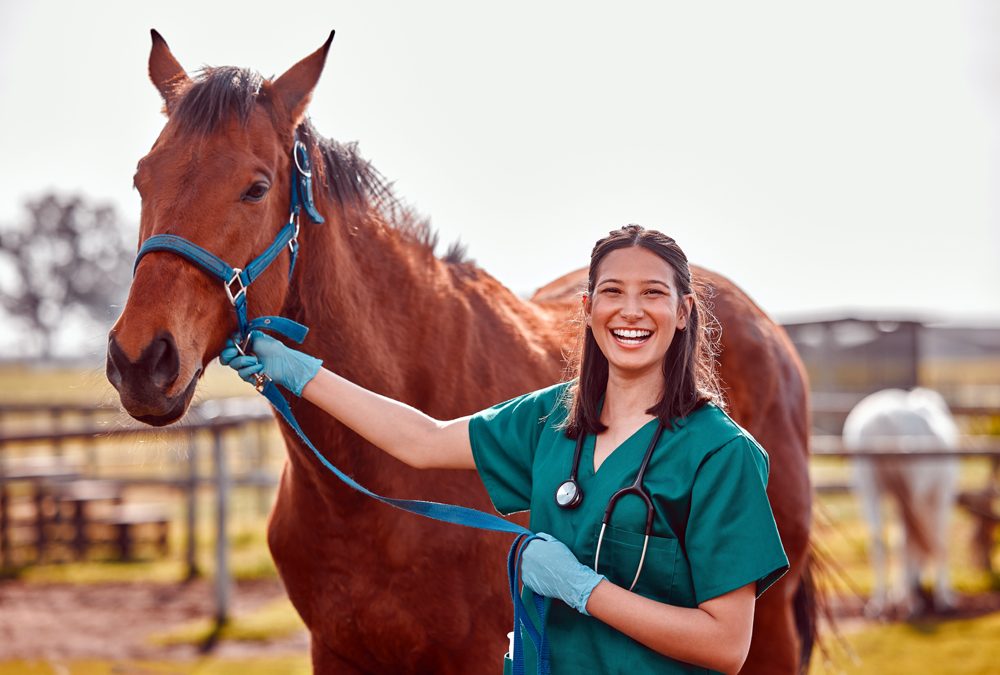
Animal healthcare is a vast and rewarding field that offers diverse career opportunities for individuals passionate about working with animals. The industry encompasses various roles, from veterinary medicine to animal rehabilitation, research, and public health. As a result, there are diverse careers in animal healthcare available.
Professionals in this field play a critical role in ensuring the well-being of pets, livestock, and wildlife. Whether working in private practices, zoos, shelters, research institutions, or government agencies, those who pursue careers in animal healthcare find themselves in a fulfilling and ever-evolving industry.
The Variety of Careers in Animal Healthcare
The animal healthcare industry offers a range of career paths catering to different levels of expertise and educational backgrounds. Veterinarians are among the most recognized professionals in the field. They diagnose, treat, and prevent diseases in animals, working in clinics, hospitals, or specialized practices focusing on exotic animals, large animals, or emergency medicine. Veterinary technicians and technologists provide essential support to veterinarians by conducting medical tests, assisting in surgeries, and managing patient records.
Beyond clinical roles, there are opportunities in animal nutrition, pharmaceutical sales, and research. Animal behaviorists study the psychology and behavior of animals, helping pet owners and trainers address behavioral issues. Wildlife rehabilitators provide care to injured or orphaned wildlife to prepare them for re-release into their natural habitats. Public health professionals focus on zoonotic diseases that affect both humans and animals, working to prevent the spread of infectious diseases through vaccination programs and disease surveillance.
Education and Training Requirements
Careers in animal healthcare require varying levels of education and training. Veterinarians must complete a Doctor of Veterinary Medicine (DVM) degree, which involves rigorous coursework in animal anatomy, physiology, pathology, and pharmacology. Veterinary technicians typically hold an associate or bachelor’s degree in veterinary technology and must pass credentialing exams in most regions to practice professionally.
For specialized roles, additional certifications or degrees may be necessary. Veterinary specialists, such as oncologists, surgeons, and dermatologists, must undergo additional years of residency training and board certification. Animal nutritionists and behaviorists often require advanced degrees in their respective fields. Continuous education and professional development are vital, as advancements in veterinary medicine and technology necessitate ongoing learning.
The Demand for Animal Healthcare Professionals
The demand for animal healthcare professionals has been steadily increasing due to rising pet ownership, advancements in veterinary medicine, and a growing emphasis on animal welfare. Pet owners are increasingly seeking high-quality healthcare services for their animals, fueling the need for skilled professionals. In addition, concerns about zoonotic diseases and food safety have led to a greater reliance on veterinarians and animal health specialists in public health and agricultural sectors.
Livestock veterinarians are particularly crucial in ensuring food safety and disease prevention in farm animals. With the increasing global demand for meat, dairy, and poultry products, veterinarians play a significant role in maintaining the health of food-producing animals. Likewise, the field of animal-assisted therapy is expanding as the therapeutic benefits of animals in mental health and rehabilitation become more widely recognized.
How Agency Recruiters Assist Employers
Hiring the right professionals in animal healthcare is a challenge for many employers. Veterinary clinics, animal hospitals, research institutions, and pharmaceutical companies often struggle to find qualified candidates due to high demand and skill shortages. This is where agency recruiters play a vital role in bridging the gap between employers and potential hires.
Recruitment agencies specializing in animal healthcare understand the industry’s specific needs and have access to a network of skilled professionals. They work closely with employers to identify the right talent, ensuring that candidates possess the necessary qualifications, experience, and cultural fit for the organization. By handling job postings, screening applicants, and conducting preliminary interviews, recruiters save employers significant time and effort.
Agency recruiters also help employers navigate competitive hiring markets. With demand often outpacing supply, securing top talent requires strategic outreach, competitive salary offers, and attractive benefits packages. Recruitment agencies provide insights into industry trends, salary benchmarks, and effective hiring strategies, enabling employers to make informed decisions.
How Recruiters Support Animal Healthcare Professionals
For professionals seeking to grow their careers in animal healthcare, working with a recruiter can be highly beneficial. Navigating job searches, negotiating salaries, and finding positions that align with long-term career goals can be challenging without industry expertise. Recruiters offer personalized career guidance, helping job seekers find opportunities that match their skills, experience, and aspirations.
Recruitment agencies provide access to exclusive job openings that may not be publicly advertised. Many employers prefer to work directly with recruiters to fill critical positions discreetly. This gives job seekers an advantage by connecting them with roles they might not have otherwise encountered. In addition, recruiters offer resume optimization, interview coaching, and career development advice, helping professionals present themselves effectively to potential employers.
Beyond immediate job placements, recruiters assist with career advancement by identifying opportunities for professional growth. Whether seeking specialized roles, leadership positions, or international placements, recruiters can provide guidance on the necessary steps to achieve career goals. They also help professionals explore contract, part-time, or locum positions, offering flexibility and diverse experiences within the industry.
Trends and Future Outlook in Animal Healthcare Careers
The future of animal healthcare is shaped by technological advancements, evolving consumer expectations, and increasing emphasis on preventive care. Telemedicine is becoming more prevalent, allowing veterinarians to consult with pet owners remotely, expanding access to veterinary services. The integration of artificial intelligence and digital diagnostic tools is enhancing accuracy in disease detection and treatment planning.
Preventive healthcare is also gaining traction, with more pet owners investing in wellness programs, routine screenings, and personalized nutrition plans. This shift is creating new opportunities for veterinary professionals specializing in preventive medicine and holistic treatments. The demand for alternative therapies, such as acupuncture, chiropractic care, and herbal medicine for animals, is also on the rise.
The field of exotic and wildlife veterinary medicine is expanding as conservation efforts increase worldwide. Veterinarians working with zoos, sanctuaries, and wildlife rehabilitation centers are playing a crucial role in protecting endangered species and maintaining biodiversity. In addition, advancements in genetic research and biotechnology are opening new frontiers in animal healthcare, from cloning and genetic therapies to precision medicine.
Another notable trend is the increasing importance of mental health and well-being among veterinary professionals. Burnout and compassion fatigue are significant challenges in the field, prompting organizations to implement mental health support programs, work-life balance initiatives, and mentorship opportunities. As awareness grows, veterinary professionals are receiving more resources to support their overall well-being.